קבוצות דיון
 גילוי מסמכים
נושא #7594
גילוי מסמכים
נושא #7594
|
מנהל סגן המנהל
 מפקח
מפקח עיתונאי מקוון
 צל"ש
צל"ש
|
פילוביץ שחף
חבר מתאריך 9.2.02
98335 הודעות | אור ליום רביעי י''ז באב תשס''ז
22:26 31.07.07 |
  
 
|
''קרן רוטשילד תשפץ את ביהמ''ש העליון''
 |
ערכתי לאחרונה בתאריך 31.07.07 בשעה 23:16 בברכה, פילוביץ שחף
קרן רוטשילד תשפץ את ביהמ"ש העליון 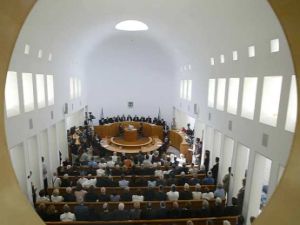
שר המשפטים יביא לאישור הממשלה יוזמה של קרן רוטשילד לממן
תיקונים במבנה "העליון" סגן מנהל קרן יד הנדיב-קרן רוטשילד
הוא מנכ"ל טבע אלי הורביץ.
מאת: רותי אברהם
http://www.nfc.co.il/Archive/001-D-137090-00.html?tag=22-02-38
תזכורת ושאלה בסופה: 1. בדיון לפני יומיים באשכול המדווח על מותה של סנטה יוספטל,
חברנו הגיב בתגובה המצ"ב:
https://rotter.net/cgi-bin/forum/dcboard.cgi?az=show_thread&om=6935&forum=scoops1&viewmode=all&keywords=הבונים#1
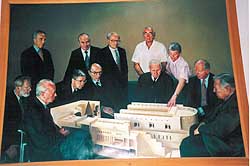
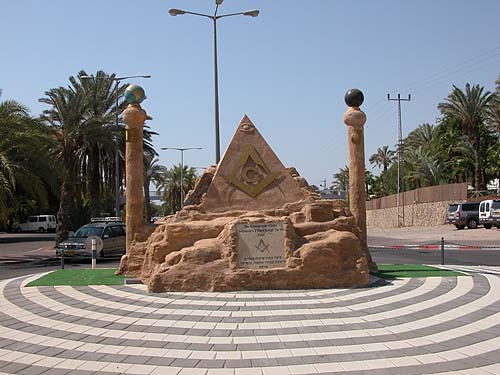
 2. מי בנה את כנסת ישראל החדשה ולמי יש לשכה סודית בכנסת ישראל?? מידע לציבור לראשונה ואני מקווה שמידע זה לא יצונזר: 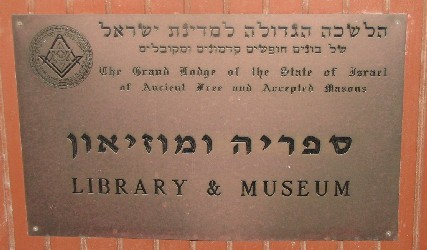
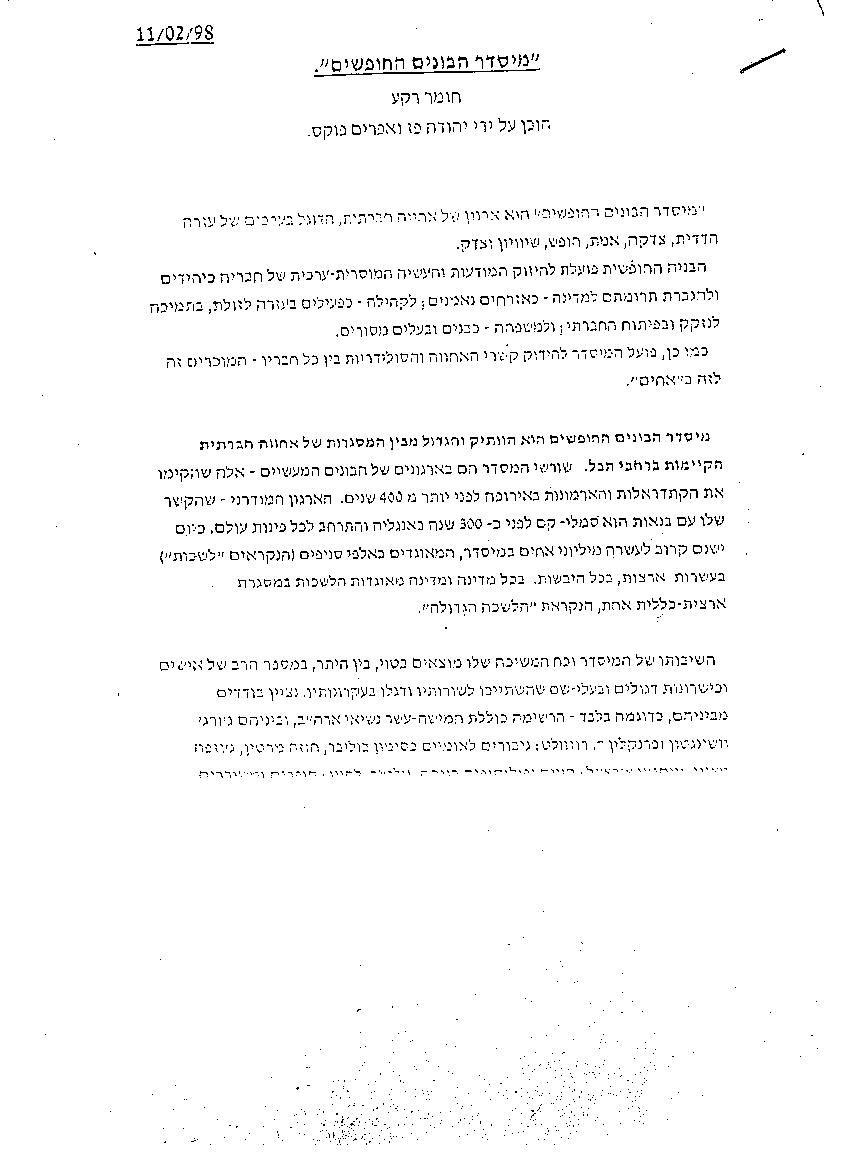
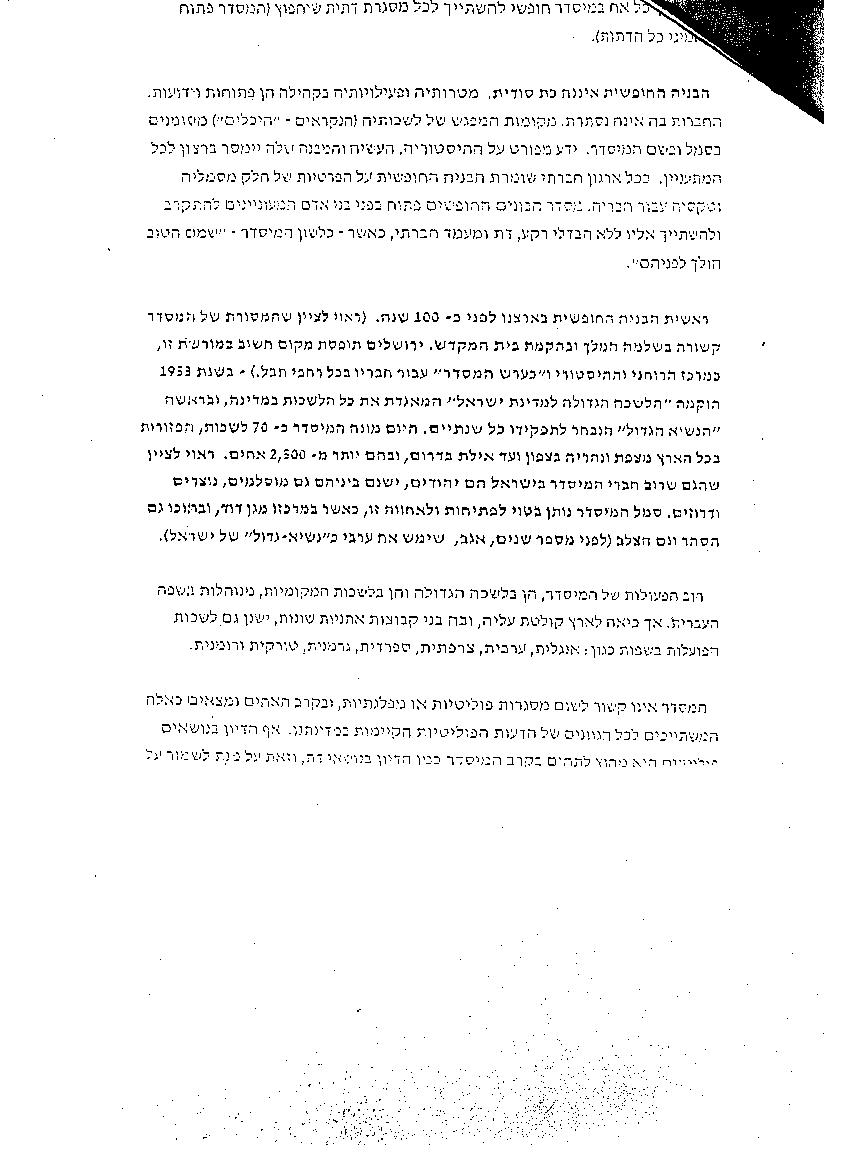
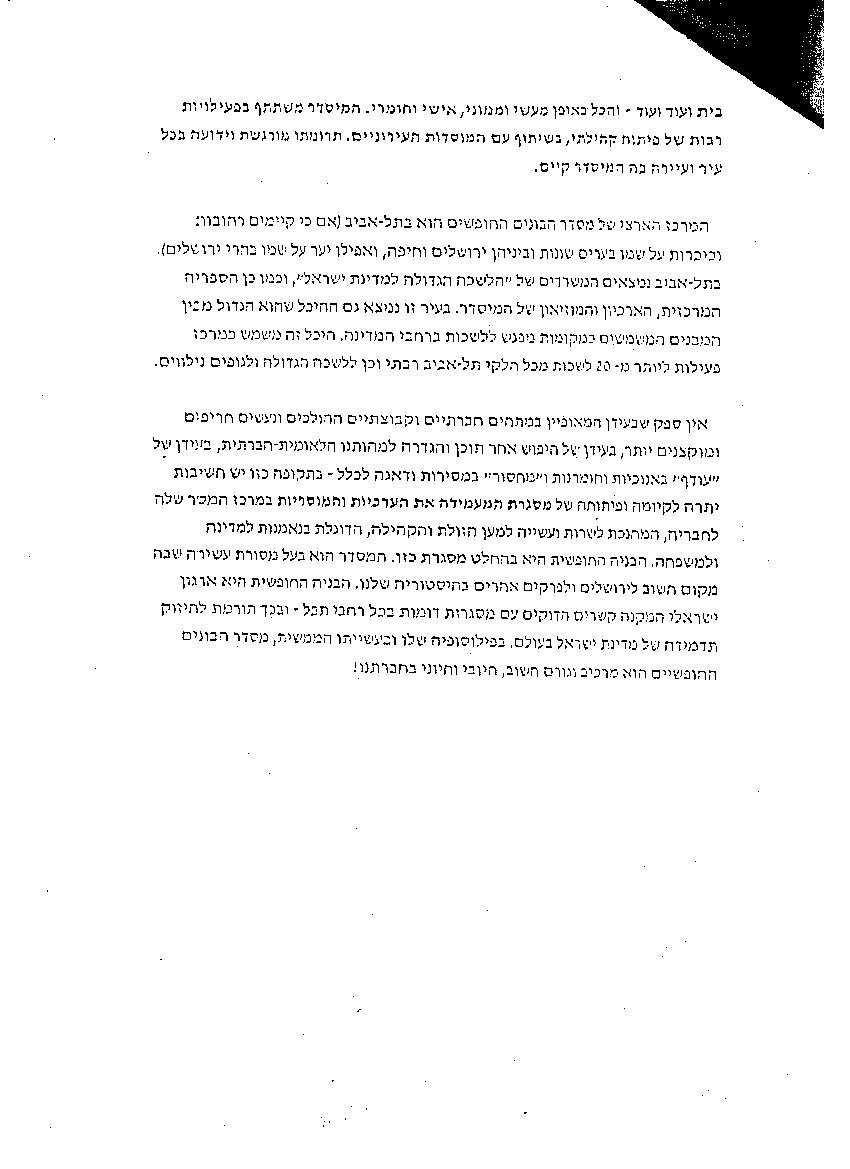
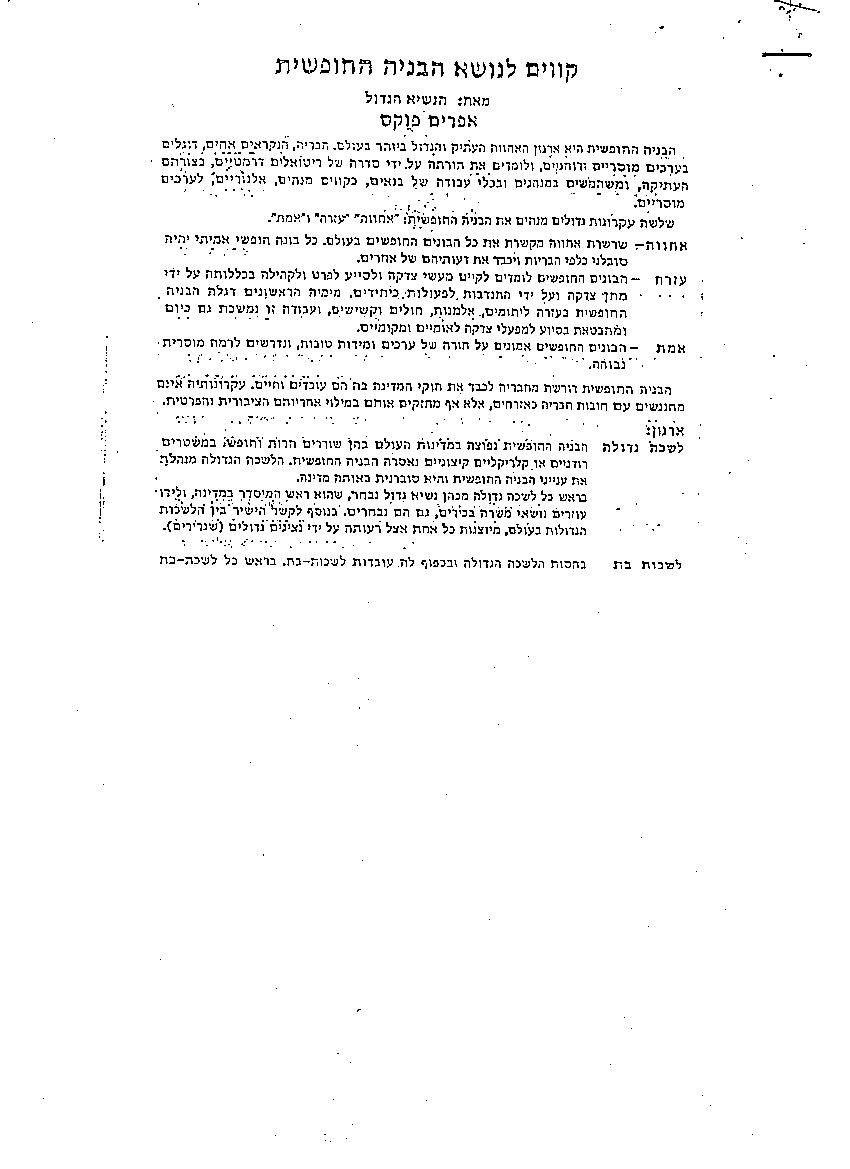
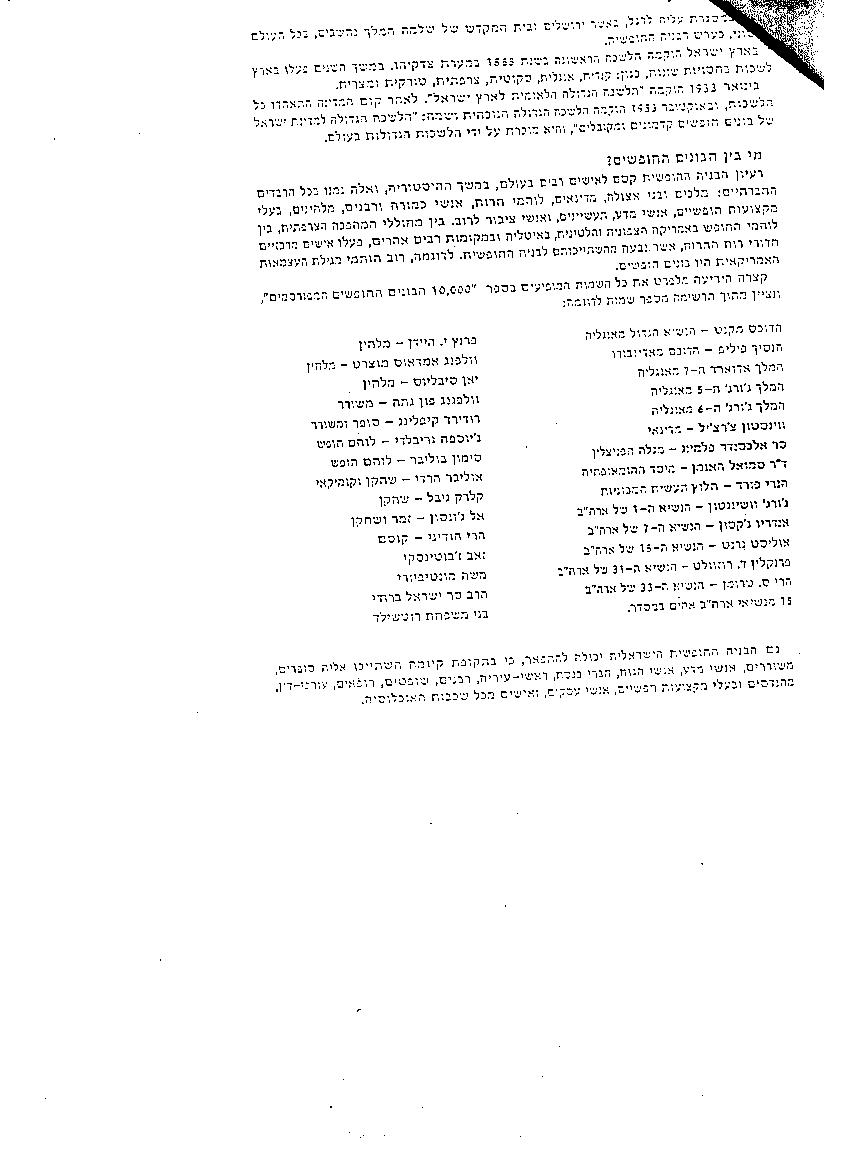
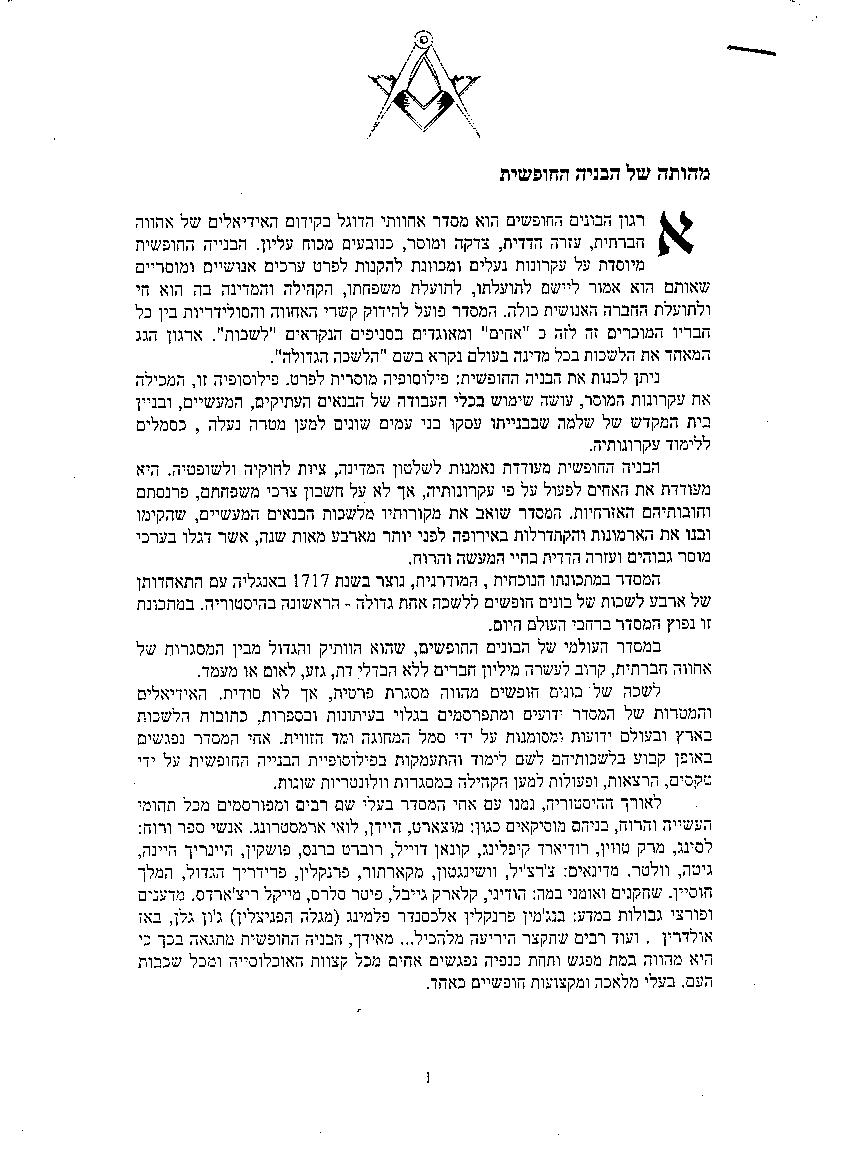
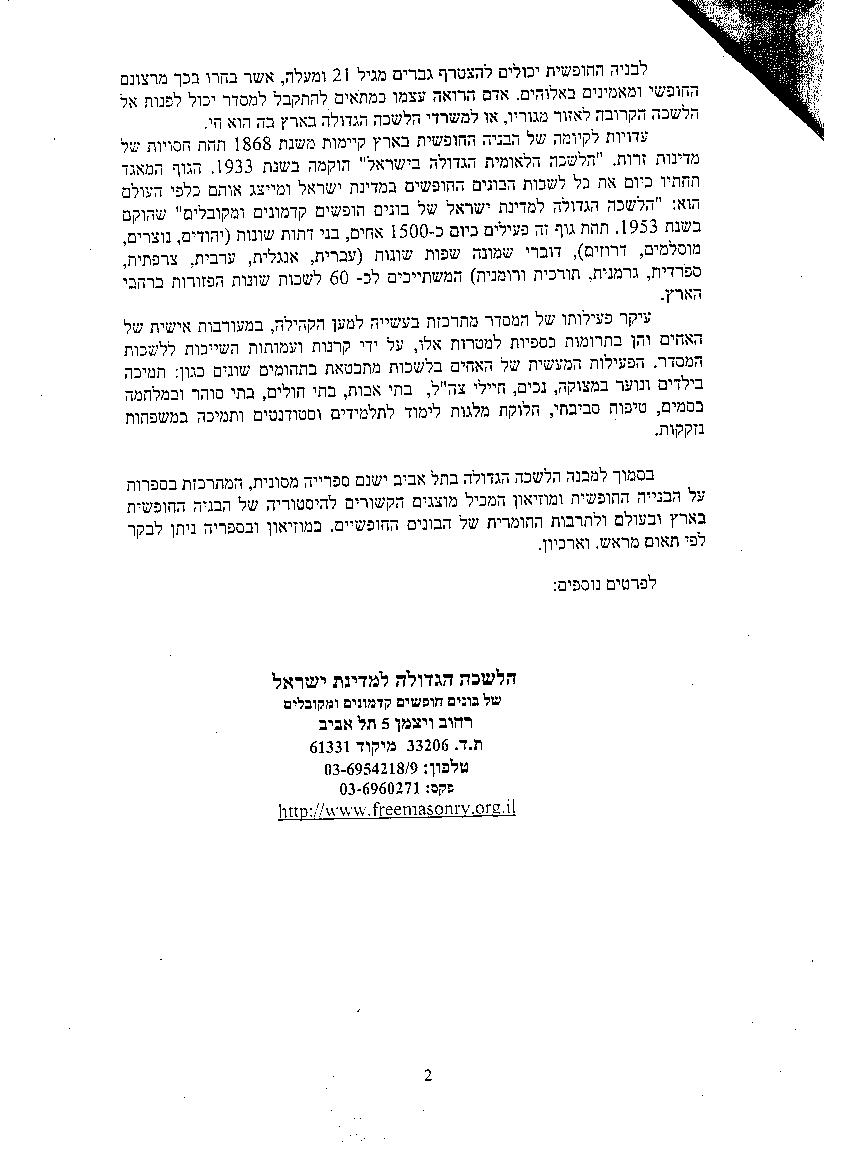

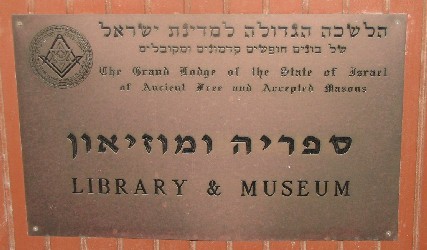
הצהרת בלפור כיבוש הארץ בידי האנגלים ב- 2 בנובמבר 1917 הגיע לידי הלורד רוטשילד באנגליה מכתב משר החוץ הבריטי, ג'יימס בלפור. במכתב זה, שנודע לימים כ"הצהרת בלפור", נאמר:
משרד החוץ 2 בנובמבר 1917 לורד רוטשילד היקר, בעונג רב הריני מוסר לך, בשם ממשלת הוד מלכותו, הצהרת אהדה לשאיפות היהודיות הציוניות, שהוגשה לקבינט ואושרה על ידו: "ממשלת הוד מלכותו תראה בעין יפה את הקמתו של בית לאומי לעם היהודי בארץ-ישראל ותעשה כל מאמץ כדי לקדם השגת מטרה זו; עם זאת מובן היטב שלא ייעשה דבר העלול לפגוע בזכויותיהן האזרחיות והדתיות של העדות הלא יהודיות הקיימות בארץ-ישראל או בזכויות ובמעמד המדיני שנהנים מהם יהודים במדינות אחרות". אכיר לך תודה אם תביא הצהרה זו לידיעת הפדרציה הציונית שלך בכנות ארטור ג'יימס בלפור --
Encyclopedia Britannica 11th edition 1910-1911 describe the situation on that time , when the "Palestinian nation" was not made yet. That eddition , as well as the 1887 eddition , represents also a map of the Land of Israel when the different zones appear with their Jewish names : Judea , Sammaria , Galilee .
The article:
PALESTINE: A Geographical area of rather loose applications. ....
POLITICAL DIVISION - Under the Ottaman jurisdiction Palestine has no independent existence. West of the Jordan, and to about half-way between Nablus and Jerusalem, is the southern portion of Vortianof the Vilager province of Beirut...
POPULATION. - The inhabitants of Palestine are composed of a large number of elements, differing widely in ethnological affinities, language and religion. It may be interesting to mention, as an illustration of their heterogeneousness, that early in the 20th century a list of no less than fifty languages, spoken in Jerusalem as vernaculars, was there drawn up by a party of men whose various official positions enabled them to possess accurate information on the subject (1). It is therefore no easy task to write concisely and at the same time with sufficient fullness on the ethnology of Palestine.
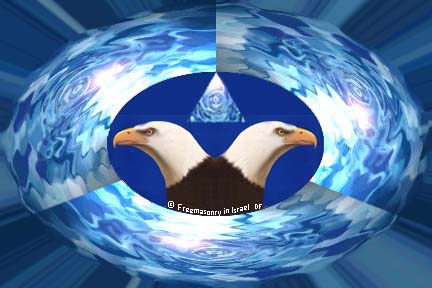
There are two classes into which the population of Palestine can be divided-the nomadic and the sedentary.
The former is especially characteristic of Eastern Palestine, though Western Palestine also contains its full share. The pure Arab origin of the Bedouins is recognized in common conversation in the country, the word "Arab" being almost restricted to denote these wanderers, and seldom applied to the dwellers in towns and villages. It should be mentioned that there is another, entirely independent, nomad race, the despised Nowar, who correspond to the GIPSIES or tinkers of European countries. These people live under the poorest conditions, by doing smith's contaminated with Arabic in its vocabulary.
The sedentary population of the country villages-the fellahin or agriculturists-is, on the whole,
comparatively unmixed; is by no means unreasonable to suppose that there is a fundamental Canaanite element in this population: the "hewers through successive occupations of a land; and there is a remarkable correspondence of type between many of the modern fellahin and skeletons of ancient inhabitants which have been recovered in the course of excavation. New elements no doubt came in under the Assyrian, Persian and Roman dominations, and in more recent times there has been much contamination. The spread of Islam introduced a very considerable Neo-Arabian infusion. Those from southern Arabian were known as the YAMMAN
tribe, those from northern Arabia the Kais (Qais). These two divisions absorbed the previous peasant population, and still nominally exist; down to the middle of the 19th century they were a fruitful source of quarrels and of bloodshed. The minor divisions are also being gradually broken down.
In the 19th century the short-lived EGYPTIAN government introduced persists in the villages. These newcomers have not been completely assimilated with the villagers among whom they have found a home; the latter despise them, and discourage intermarriage.
Some of the larger villages-notably Bethlehem-which have always been leavened by Christianity, and with the development of industry have become comparatively prosperous, show angible results of these happier circumstances in a higher standard of physique among the men and of personal appearance among the women. It is not uncommon in popular writings to attribute his superiority to a crusader strain - a theory which no one can possibly countenance who knows what miserable degenerates the half-breed descendants of the crusaders rapidly became, as a result of their immoral life and their ignorance of the sanitary precautions necessary in atrying climate.
The population of the larger towns is of a much more complex nature. In each there is primarily a large Arab element, consisting for the greater part of members of important and wealthy families. Thus, in Jerusalem, much of the local influences is in the hands of the families of El-Khalidi, El-Husseine and one or two others, who derive their descent from the heroes of the early days of Islam. The Turkish element is small, consisting exclusively of officials sent individually from Constantinople. There are very large contingents from the Mediterranean countries, especially Armenia, Greece and Italy, principally engaged in trade. The extraordinary development of Jewish colonization has since 1870 effected a revolution in the balance of population in some parts of the country, notably in Jerusalem. There are few residents in the country from the more eastern parts of Asia-if we except the TURKOMAN settlements in the Jaulan, a number of PERSIANS, and a fairly large AAFGHAN colony that since 1905 has established itself in Jaffa. The MUTAWILE (Motawila), who from the majority of the inhabitants of the villages north-west of Galilee, are probably long-settled immigrants from PERSIA. Some tribes of KURDS live in tents and buts near Lake Huleh. If the inmates of the countless monastic establishments be excluded, comparatively few "Templar" colonies being perhaps the most important. There must also be mentioned a BOSNIAN colony established at Caesarea Palestina, and the CIRCASSIAN settlements placed in certain centers of Eastern Palestine by the Turkish government in order to keep a restraint on the Bedouin: the latter are also found in Galilee. There was formerly a large SUDANESE and ALGERIAN element in the population of some of the large towns, but these have been much reduced in numbers since the beginning of the 20th century: the Algerians however still maintain themselves in parts of Galilee. The most interesting of the non-Arab communities in the country, however, is without doubt the Samaritan sect in Nablus (Shechem), a gradually disappearing body, which has maintained an independent existence from the time were first settled by the Assyrians to occupy the land left waste by the captivity of the kingdom of Israel. The total population of the country is roughly estimated at 650,000, but no authentic official census exists from which satisfactory information on this point is obtainable. Some two-thirds of this number are Moslems, the rest Christians of various sects, and Jews. The largest town in Palestine is Jerusalem, estimated to contain a population of about 60,000. The other towns of above 10,000 inhabitants are Jaffa (45,000), Gaza (35,000), Safed (30,000), Nablus (25,000), Kerak (20,000), Hebron (18,500), Es-Salt (15,000), Acre (11,000, Nazareth (11,000).The above remarks apply to the permanent population. They would be incomplete without a passing word on the non-permanent elements which at certain seasons of the year are in the principal centers the most conspicuous. Especially in winter and early spring crowds of European and American tourists, Russian pilgrims and Bokharan devotees jostle one another in the streets in picturesque incongruity. (1) This list was intentionally made as exhaustive as possible and included some languages (such as Welsh) spoken by one or two individual residents only. But even if by omitting these accidental items, the list be reduced to thirty, a sufficient number will be left to indicate the cosmopolitan character of the city.
*** end *** Notes:
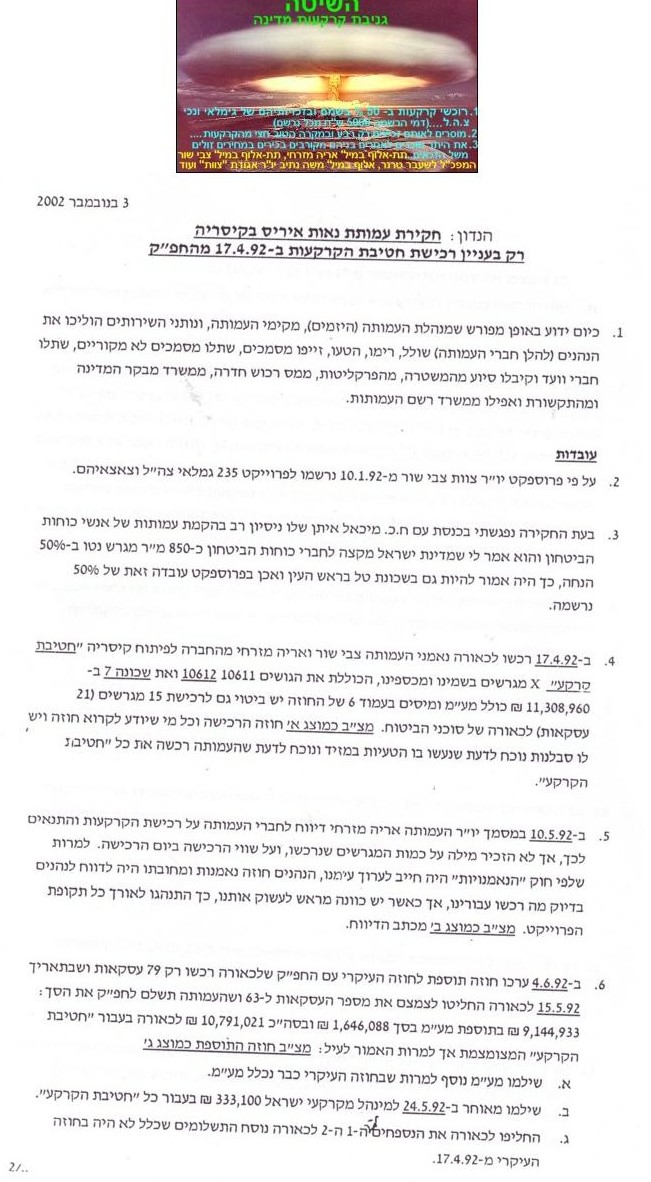
Caesaria Palestina : Cesaria , those Bosnians are the inhabitant of Yarka ,Jaser a-Zarka, and Furedis in Zichron area
Circassian: Cherkess
Eastern-Palestine: Called now: Jordan Kingdom
Jaulan: Golan
Mutawileh: Inhabitant of the METULA area.
Ottaman: Now Turky, occupied the land till WWI.
***
There where about 450 000 Moslems on 1910 on both parts of The Land of Israel (Palestine): the east side ( Now Jordan) and the west side.
The huge immigration of Non-Jews, mainly from Syria, to the Land of Israel continued till 1948 when many of them returned to their homelands or moved to otherlands. Hence the numbers of 2-4 millions "Palestinians" (Non - Jews , they or their father or grandfather lieved at Western Land-of-Israel - Western Palestine - somtime during the 20 century).
_
לחץ כאן » פרס הוא המפתח לפרשת אלטלנה
|
|
 
   תגובה עם ציטוט | תגובה מהירה
 |
מכתב זה והנלווה אליו, על אחריות ועל דעת הכותב בלבד
| |
|
| האשכול |
מחבר |
תאריך כתיבה |
מספר |
 אבל רק בעשור הקודם גמרו לבנות אותו. כבר משפצים? אבל רק בעשור הקודם גמרו לבנות אותו. כבר משפצים? |
אוהב ישראל |
31.07.07 23:17 |
1 |
 ברגע שנדע ונראה את התכניות, נבין על איזה שיפוץ מדובר ברגע שנדע ונראה את התכניות, נבין על איזה שיפוץ מדובר |
פילוביץ שחף |
31.07.07 23:45 |
3 |
| צריך לחדש את ציוד האזנה, הטכנולגיה השתפרה. |
hyativ |
01.08.07 18:20 |
9 |
| תודה !! |
פילוביץ שחף |
01.08.07 19:02 |
12 |
| אח''כ אי אפשר יהיה לתבוע את קרנות רוטשילד למשפט |
navi |
31.07.07 23:43 |
2 |
| הכל אפשרי, זה תלוי בלחץ ציבורי בלבד !! |
פילוביץ שחף |
01.08.07 05:22 |
6 |
| ומדוע יש לתבוע את קרנות רוטשילד למשפט? בגלל תרומתם |
שלומצי |
01.08.07 07:06 |
8 |
| יש להם עוד רכוש בארץ ולפעמים הם חייבים במיסים??? |
navi |
01.08.07 18:52 |
11 |
| הקרנות תורמות ללא הפסקה למדינת ישראל ולעם היהודי |
שלומצי |
01.08.07 23:11 |
23 |
| ולכן אסור לתבוע אותם? ממתי מוסד לא ממלכתי בעל אינטרסים |
ששי |
01.08.07 23:58 |
24 |
| הזכרת את קיסריה, הזכרת תיבת פנדורה שבע''ה תתפוץץ !! |
פילוביץ שחף |
02.08.07 00:48 |
25 |
| ''מעניין מה היה אומר הברון רוטשילד?'' |
פילוביץ שחף |
13.01.10 23:39 |
44 |
| אודות המשפחה |
פילוביץ שחף |
14.01.10 04:35 |
45 |
| מבקר המדינה: |
פילוביץ שחף |
14.01.10 04:40 |
46 |
| מי אמר שאסור לתבוע אותם? יש לך עילה כלשהיא לתבוע אותם |
שלומצי |
02.08.07 01:53 |
28 |
| זהות חברי ''הבונים החופשיים'' בהנהגת המדינה הוא המפתח |
Q |
01.08.07 00:26 |
4 |
| אכן, זאת האנקדוטה, קלעת בול ומי ייתן ונשיג את הרשימה!! |
פילוביץ שחף |
01.08.07 00:36 |
5 |
| ''זה לא הזמן לחשוף את הרשימה''...... להד''ם |
שלומצי |
01.08.07 06:21 |
7 |
| שמות זה דבר גדול |
בול טרייר |
01.08.07 20:55 |
13 |
| דברי חכמה בנחת נשמעים, קבל ח''ח על מה שכתבת !! |
פילוביץ שחף |
01.08.07 21:42 |
14 |
| שימון פרס ולהקתו בקדימה - הם בונים חופשיים! |
alexa |
01.08.07 21:52 |
17 |
| טוענים כאן ששמעון פרס לא בונה חופשי |
tec |
01.08.07 22:11 |
18 |
| שמעון פרס הוא בונה חופשי וזה בדוק וחלוט !! |
פילוביץ שחף |
01.08.07 22:14 |
19 |
| אתה תותח ...על |
mozes5 |
01.08.07 22:20 |
20 |
| פרס חבר ב'אילומינטי'..שזה 'מיסדר על' שהשתלט על הבונים |
alexa |
01.08.07 23:06 |
22 |
| בעוד שסמל הבונים הוא מחוגה, סמל האילומינטי הוא פירמידה |
alexa |
03.08.07 09:01 |
37 |
| מאמר מעניין שמנתח את הארכיטקטורה של בית המשפט העליון |
דאג |
05.08.07 08:46 |
40 |
| יש הוכחות? |
tec |
03.08.07 08:55 |
36 |
| שכחת את האבא של רובי ריבלין |
tec |
01.08.07 21:46 |
16 |
| אוקיי, יש לי שאלת קונטרה: |
tec |
01.08.07 21:42 |
15 |
| ''הבונים החופשיים'' מחויבים למונותאיזם ולא לחילוניות... |
Q |
02.08.07 01:16 |
26 |
| פ''ש: מה בדיוק אתה רוצה? חוץ מ2 החברים עוד מישהו מבין? |
yaak |
01.08.07 18:32 |
10 |
| שמת לב שז'בוטינסקי היה בונה חופשי? |
tec |
01.08.07 22:21 |
21 |
| בוודאי ידידי :) |
פילוביץ שחף |
02.08.07 03:17 |
29 |
| על כמה כסף מדובר? |
bjnbh13 |
02.08.07 01:19 |
27 |
| לא הרבה |
בול טרייר |
02.08.07 13:57 |
31 |
| לא הבנתי את הרמז,מה מיוחד במקומות המוקפים בעיגולים? |
tec |
03.08.07 08:46 |
34 |
| הם עושים שימוש |
בול טרייר |
04.08.07 14:16 |
38 |
| קבל עוד.......... |
פילוביץ שחף |
05.08.07 02:54 |
39 |
| האם התמונה שהבאת היא מהלשכה בכנסת? |
tec |
02.08.07 13:06 |
30 |
| תשובות: |
פילוביץ שחף |
02.08.07 17:37 |
32 |
| תודה. אני אחכה בחוסר סבלנות :) |
tec |
03.08.07 08:48 |
35 |
| אם לשופטים היה שמץ של כבוד אישי הרי( רק בגלל מראית עין) |
navi |
02.08.07 23:19 |
33 |
| ''הקאמרי משת''פ של מר''צ'' |
פילוביץ שחף |
30.08.07 05:55 |
41 |
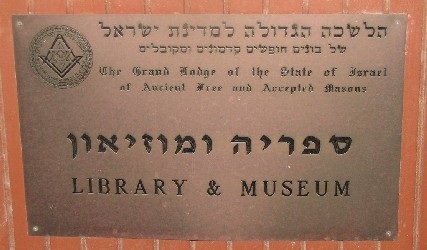
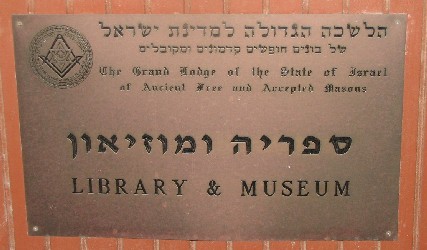
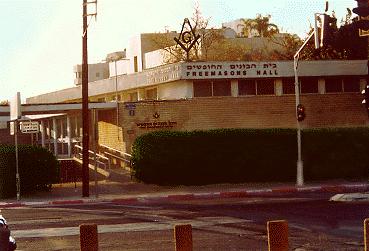
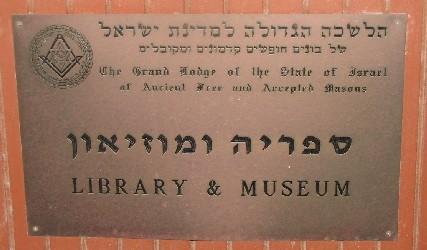
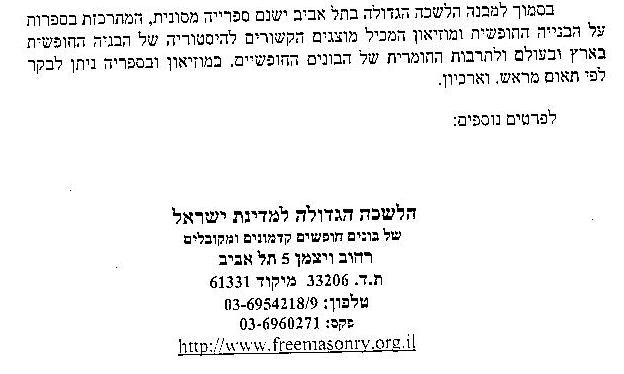
| ''הלשכה הגדולה למדינת ישראל - הבטנים החופשיים'' |
פילוביץ שחף |
12.05.08 22:45 |
42 |
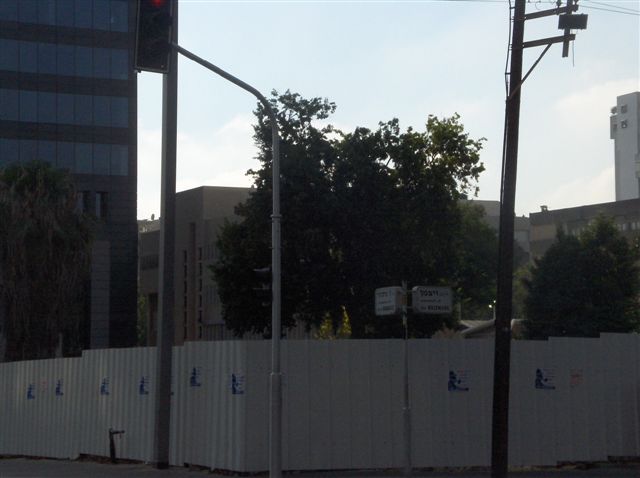
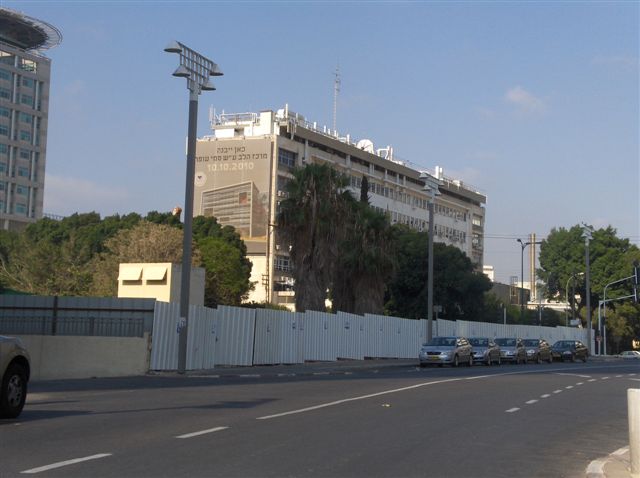
| חשיפה: הלשכה של הבונים החופשיים נהרסה כליל, ומה במקום?! |
פילוביץ שחף |
03.07.08 20:07 |
43 |
| ניתוח מבנה בית המשפט העליון - דברים שאתם חייבים לדעת |
פילוביץ שחף |
11.09.10 20:37 |
47 |
| כך מתנהל המסדר החשאי של ''הבונים החופשיים'' (*) |
פילוביץ שחף |
18.11.13 10:44 |
48 |
 |
פילוביץ שחף
חבר מתאריך 9.2.02
98335 הודעות | אור ליום רביעי י''ז באב תשס''ז
23:45 31.07.07 |
|
|
3. ברגע שנדע ונראה את התכניות, נבין על איזה שיפוץ מדובר
בתגובה להודעה מספר 1
|
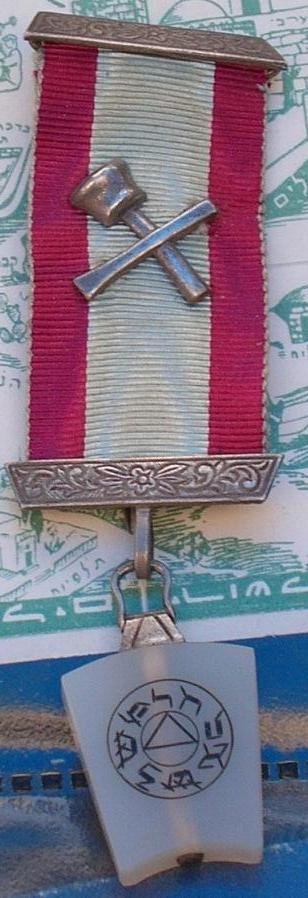 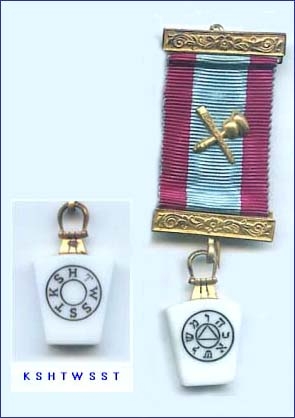
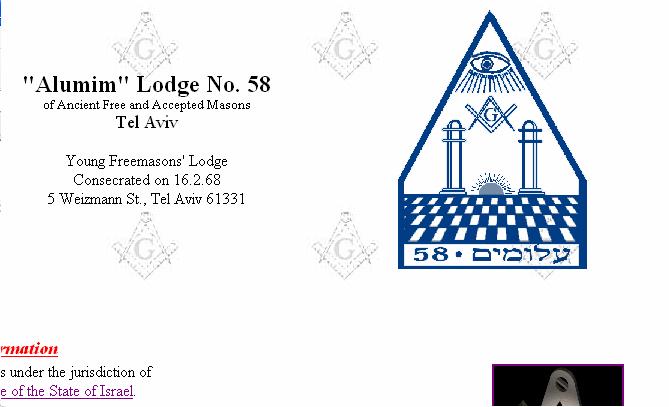
הבונים החופשיים Freimaurer
אנשי אגודה חשאית זו שנוסדה בסוף המאה ה-17, היו מתנגדים חריפים לכל מה שייצג המשטר הנאצי. אלה הדוגלים בהומניות, אחווה, שוויון וסובלנות היו לצנינים בעיני הרודנים הנאצים. הבונים החופשיים רואים עצמם כממשיכי דרכם של בוני בית המקדש והמושג "האל" כאל יחיד הוא בעל חשיבות עליונה, כמו גם "דביר" ושני עמודי התווך יכין ובועז. המשולש הוא סמלם החשוב ביותר ומסמל את האלוהות. סמלים נוספים: זווית בנאים, מחוגה, עין מפקחת , פטיש סתתים, ספר תורת הנסתר, גולגולת ועוד רבים. על פי הבונים החופשיים הגולגולת מסמלת את היות האדם בן תמותה. אבל לפי האגדות שהילכו אודותם שימשה הגולגולת בטכס השבעת המצטרפים החדשים, וממנה שתו את היין בהשבעם אמונים: "יהפך היין הזה אותו אני שותה לסם מוות כרעל הרוש ששתה סוקרטס, אם אי פעם אפר את נדרי" ישנה סברה שהרעיון לקוח משיר של לורד ביירון, שנכתב ב-1808, ובו הוא מתאר שיחה עם גולגולת שנמצאה בגינתו. הנה בית אחד מתוך השיר:
Where Once my wit, perchance hath shone,
In aid of others let me shine
and when, alas! Our brains are gone,
what nobler substitute than Wine?
בימים 17– 18 לספטמבר 1938, התקיימה תערוכה בעיר קמניץ, אשר בה נבנה המוזיאון הגדול והמפואר ביותר לצורכי תעמולה. התערוכה הייתה מכוונת כולה נגד הבונים החופשיים. גלויה פרטית הודפסה לציון האירוע וחותמת מיוחדת הייתה בשימוש ביומיים בהם הוצגה התערוכה. בתמונה, ספר הסתרים, זווית הבנאים וגולגולת, ומימין בחותמת, "האל" בדיוק כפי שכתוב בתנ"ך (עם ניקוד) וחרב מפלחת משולש, רמז לצפוי לאגודת סתרים זו. 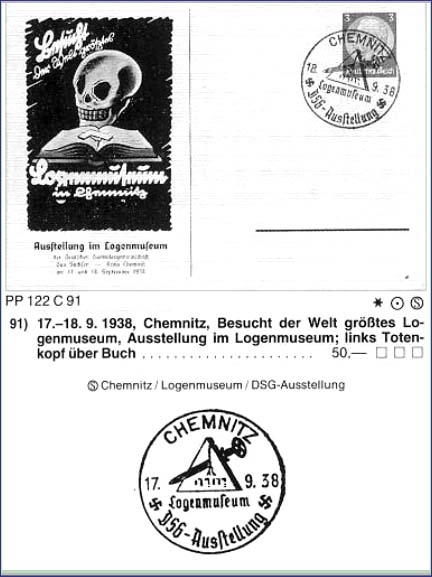
_____________________
לחץ כאן » פרס הוא המפתח לפרשת אלטלנה
|
| |
תגובה עם ציטוט | תגובה מהירה (ניהול: מחק תגובה) |
מכתב זה והנלווה אליו, על אחריות ועל דעת הכותב בלבד
| |
|
|
|
|
|
|
|
|
|
|
|
|
|
|
|
|
|
|
|
|
|
פילוביץ שחף
חבר מתאריך 9.2.02
98335 הודעות | יום חמישי כ''ח בטבת תש''ע
04:35 14.01.10 |
|
|
45. אודות המשפחה
בתגובה להודעה מספר 44
|
אודות המשפחה משפחת רוטשילד ידועה בתרומתה החשובה להסטוריה הכלכלית, הפוליטית והחברתית של מדינות רבות ברחבי העולם.

ניתן לשבור כל אחד בנפרד, יחד הם יחזיקו מעמד.
הראשון בשושלת הרוטשילדים הוא מאיר אנשל (לשעבר באואר) רוטשילד (1743-1812) סוחר מטבעות שהתמחה במטבעות עתיקים. מאיר אנשל אימץ את מגן הגיבורים (שילד) האדום (רוט) כסמל, מכאן כינויו "רוטשילד". מומחיותו הובילה להיכרותו עם נסיך מדינת הסן (Hesse). בזמן שהמלחמות עם נפוליאון הביאו להגליית הנסיכים, הפקיד הנסיך בידי מאיר אנשל את ניהול נכסיו.
במהלך השנים, הפך השם רוטשילד שם נרדף לעושר, כוח והשפעה.
מאיר אנשל הוא למעשה הבנקאי הבינלאומי הראשון למשפחת רוטשילד. חמשת בניו של מאיר אנשל המשיכו את עסקי הכספים של אביהם בחמש מדינות אירופאיות מרכזיות. אנשל הבכור בפרנקפורט, נתן בלונדון, סלומון בוינה, קרל בנאפולי וג'יימס בפריס. עבור חמש משפחות אלו מגן הגיבורים האדום המשיך להיות אות וסמל למשפחתם האצילה, שהפכה אגדה.
עבור כל אחד בנפרד ועבור כולם ביחד, משמשים חמישה חיצי מגן רוטשילד תזכורת לחזון אבי-המשפחה: ניתן לשבור כל אחד בנפרד, יחד הם יחזיקו מעמד. ג'יימס רוטשילד (1792-1868) צעיר בניו של מאיר אנשל רוטשילד, הצטרף לעסק המשפחתי בגיל 19 והמשיך לנהלו לאחר מותו של נתן. לצד היותו יועץ נאמן לשרים ולמלכים, החל ג'יימס באיסוף חפצי האמנות הידועים של המשפחה. אדמונד בנימין דה רוטשילד (1845-1934), בנם הצעיר של ג'יימס ובטי, הצטרף לבית הפריזאי ב- 1868 והחל לנהל רבים מעסקי המשפחה. לצד עיסוקיו אצר אוסף ייחודי של ציורים ותחריטים מהמאה ה- 17/18 אותו העניק למוזיאון הלובר. התעניינותו של אדמונד בגורלם של היהודים, היא שעיצבה את ההיסטוריה של מדינת ישראל ושל העם היהודי.
אדמונד בנימין דה רוטשילד ייזכר לעולם כ"נדיב הידוע", "אבי הישוב", והמייסד הרוחני של קרן רוטשילד קיסריה.
כשהברון אדמונד בנימין דה רוטשילד נפטר בשנת 1934 הוא כבר נודע כ"אבי הישוב". אחרי מותו הותיר יישוב המשתרע על כ- 500,000 דונם אדמה וכ- 30 יישובים. "הנדיב הידוע" השקיע כ- 40 מיליון פרנק ברכישת אדמות ובתמיכה בחברה החדשה ולכן נחשב למי ששינה את ההיסטוריה של ארץ ישראל ושל העם היהודי.
הברון אדמונד דה רוטשילד, נכדו של "הנדיב הידוע", ניהל את הבנקים, היקבים, אוספי האמנות ועסקים רבים אחרים של המשפחה. אף הוא כסבו נחשב כציוני מסור ונלהב. בעוד סבו טבע את חותמו ברכישת אדמות ויישובם, ייזכר הברון אדמונד דה רוטשילד בזכות תרומתו לתיעושה של ארץ ישראל ותרומותיו הנדיבות למוסדות חינוך ותרבות. בשנת 1962 הקים אדמונד דה רוטשילד את קרן רוטשילד קיסריה, המשלבת שניים מחלומותיו האישיים:
בניית קהילה ייחודית ומשגשגת בקיסריה כאשר בה יבנה ישוב לדוגמא, והבטחת מקור למשאבים פילנתרופיים. על החברה לפיתוח קיסריה אדמונד בנימין דה רוטשילד בע"מ (CDC), הזרוע המבצעת של פיק"א, אותה איגדה משפחת רוטשילד עשר שנים קודם, הוטלה המשימה לפתח עבור הקרן את קיסריה ובה קהילה משגשגת, שכונות מגורים, אזורי תעשייה, מרכזי מסחר, תיירות ופנאי.
חלק ניכר מרווחי הקרן מופנה לתרומות בישראל. כשהברון אדמונד דה רוטשילד נפטר בשנת 1997 ובנו, הברון בנימין דה רוטשילד, נינו של "הנדיב הידוע" קיבל את תפקיד יו"ר קרן רוטשילד קיסריה וארגוני סיוע אחרים.
הוא משמש כיו"ר, סיו"ר ומנהלם של מעל עשרים מוסדות כספיים ובנקים השייכים לבית רוטשילד באירופה, בארצות הברית ובישראל. הברון בנימין דה רוטשילד ייסד את La Compagnie de Tresorerie Benjamin de Rothschild המתמחה בניהול סיכונים למוסדות.
הברון הינו בעל תואר ראשון במנהל עסקים מאוניברסיטת פפרדין בקליפורניה ותואר דוקטור לשם כבוד בפילוסופיה מאוניברסיטת חיפה. כרונולוגיה: 1845 הברון אדמונד בנימין דה רוטשילד נולד בבולוניה, צרפת. 1877 הברון אדמונד בנימין דה רוטשילד ואדלייד נישאים בפרנקפורט, גרמניה. 1882 הברון אדמונד בנימין דה רוטשילד מתחיל לרכוש אדמות בארץ ישראל לישוב היהודים שנסו מהפוגרומים
ברוסיה. 1921 משפחת רוטשילד מעבירה את אדמות קיסריה ליק"א (הארגון ליישוב יהודים) בהסכם חכירה ל- 100 שנה. 1923 הקמת פיק"א (הארגון ליישוב יהודים בפלסטינה) לפיקוח על ענייני הברון בארץ ישראל, או כפי שנאמר:
"לקידום רווחתם ופיתוחם הכלכלי, מוסרי, חברתי ודתי של היהודים בארץ ישראל". 1924 פיק"א מקבלת את אדמות יק"א. 1926 הברון אדמונד דה רוטשילד, שעתיד לייסד את קרן רוטשילד קיסריה , נולד בפריז. 1929 הברון אדמונד בנימין דה רוטשילד ממונה לנשיא כבוד של הסוכנות היהודית. 1934 הברון אדמונד בנימין דה רוטשילד נפטר. 1948 הקמת מדינת ישראל. בית רוטשילד מעניק את רוב אדמות פיק"א למדינה החדשה, המתנה הגדולה
ביותר לה זכתה מדינת ישראל מעולם. 1952 הברון אדמונד דה רוטשילד מקים את החברה לפיתוח קיסריה וממונה ליו"ר מועצת הנגידים של החברה. 1954 שרידיהם של הברון אדמונד בנימין דה רוטשילד ואדלייד מובאים למנוחת עולמים ברמת הנדיב ליד זכרון
יעקב. 1962 קרן רוטשילד קיסריה מתאגדת בהוראתו של הברון אדמונד דה רוטשילד והוא ממונה ליו"ר מועצת הנגידים.
לאחר תקופת מבחן בת שלוש שנים, החל מ- 1958, משפחת רוטשילד תורמת את אדמות קיסריה בבעלות
פיק"א למדינת ישראל, והן מועברות מיידית לקרן בהסכם חכירה ל- 200 שנה. 1997 הברון אדמונד דה רוטשילד, מייסד הקרן, נפטר, ובנו, הברון בנימין דה רוטשילד, נינו של "הנדיב הידוע",
מקבל את תפקיד יו"ר מועצת הנגידים של הקרן, כמו גם מנהל עסקי המשפחה הרבים.
מקור:
http://www.caesarea.com/pages/1109.aspx
===
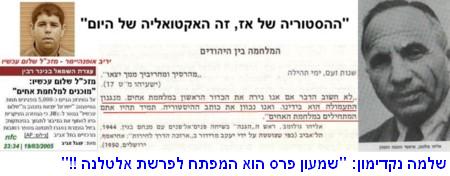
https://rotter.net/cgi-bin/forum/dcboard.cgi?az=show_thread&forum=gil&om=5583&omm=13&vi
|
| |
תגובה עם ציטוט | תגובה מהירה (ניהול: מחק תגובה) |
מכתב זה והנלווה אליו, על אחריות ועל דעת הכותב בלבד
| |
|
|
|
פילוביץ שחף
חבר מתאריך 9.2.02
98335 הודעות | יום חמישי כ''ח בטבת תש''ע
04:40 14.01.10 |
|
|
46. מבקר המדינה:
בתגובה להודעה מספר 44
|
מבוא1. אדמות קיסריה משתרעות על שטח של כ-30,000 דונם, מצפון לנחל חדרה, והן כוללות בתחומן את אתר העיר ההיסטורית. בנובמבר 1962 הכירה ממשלת ישראל בהסכם שנחתם בשנת 1921 בין ממשלת המנדט לבין החברה להתיישבות היהודים ייק"א, שלפיו הסכימה ממשלת המנדט להחכיר את אדמות קיסריה לייק"א, לתקופה של 200 שנה. ב-1924, עם הקמת החברה להתיישבות היהודים בארץ ישראל מייסודו של אדמונד דה רוטשילד - פיק"א{1} (להלן - פיק"א), הועברו זכויותיה של ייק"א לחברה זו. בנובמבר 1962 חתמה ממשלת ישראל על שטר חכירה, ולפיו הוחכרו אדמות קיסריה לפיק"א - להוציא כ-1,300 דונם שהיו בבעלות פיק"א - לתקופה של עד 200 שנים, החל בשנת 1948{2}. בשנת 1952 הקימה פיק"א את החברה לפיתוח קיסריה אדמונד בנימין דה רוטשילד בע"מ{3} (קטןלהלן - החברה) כחברה פרטית. על פי תזכיר ההתאגדות של החברה, מטרותיה העיקריות הן לרכוש ולהקנות זכויות בשטחי קיסריה ולפתח את אדמותיה. באוקטובר 1958 חתמו הממשלה והברון אדמונד דה וטשילד{4} (להלן - הברון), בשם "בית רוטשילד", על זיכרון דברים, שבו הביעו את רצונם לפתח במשותף את אדמות קיסריה באמצעות החברה. בזיכרון הדברים צוין שבשנים שקדמו לחתימתו השקיעו שני הצדדים כספים אדמות קיסריה - בעיקר בתכנון, בסלילת דרכים, בנטיעות ובמבנים - ונקבעה בו תקופת ניסיון של שלוש שנים, שלאחריה יחליטו הצדדים אם רצונם להמשיך בפעילות המשותפת. בינואר 1962, לאחר תום תקופת הניסיון, וטרם שהוחכרו כל האדמות לפיק"א (כאמור לעיל), חתמו שר האוצר לוי אשכול, בשם ממשלת ישראל, והברון (להלן - המייסדים) על הסכם לשיתוף פעולה, ובו צוין שהזכויות שהיו לבית רוטשילד על פי זיכרון הדברים מ-1958 הועברו לברון, והוסכם שהצדדים ישתפו פעולה בפיתוח קיסריה באמצעות החברה. הוסכם שהפירות מפעולות החברה ייועדו לקידום ההשכלה הגבוהה בישראל, באמצעות קרן שתיוסד למטרה זו; פיק"א והממשלה יעבירו את הזכויות על קרקעות קיסריה לקרן, והחברה תפעל כסוכן של הקרן ועל פי הנחיותיה. ההשקעות שעשה כל אחד מהצדדים בקיסריה עד למועד ההסכם אמדו כשוות ערך, ובהתאם לכך הוחלט על חלוקת הון המניות של החברה. בהסכם נקבע גם, כי מועצת הקרן יהיה ייצוג שווה לצדדים, וכי הברון יכהן כיו"ר של מועצת הקרן ושל דירקטוריון החברה. כמו כן נקבע, שבתום 15 שנים מתאריך חתימת ההסכם ייבחן מצב הפיתוח של קרקעות קיסריה, והצדדים יחליטו אם להמשיך את פעילות החברה או להפסיקה.אם יחליטו על הפסקת הפעילות, יופנו הכספים והנכסים שייוותרו לקידום מטרותיה של הקרן, אלא אם יסכימו הצדדים אחרת. תנאים שנכללו בזיכרון הדברים מ-1958 ותואמים את התנאים שבהסכם ימשיכו להיות בתוקף.
מקור:
http://www.mevaker.gov.il/serve/books/154/1773/15.htm
===========
https://rotter.net/cgi-bin/forum/dcboard.cgi?az=show_thread&forum=gil&om=5583&omm=13&vi
|
| |
תגובה עם ציטוט | תגובה מהירה (ניהול: מחק תגובה) |
מכתב זה והנלווה אליו, על אחריות ועל דעת הכותב בלבד
| |
|
|
|
|
|
|
|
|
|
בול טרייר
חבר מתאריך 13.5.07
1235 הודעות | אור ליום חמישי י''ח באב תשס''ז
20:55 01.08.07 |
|
|
13. שמות זה דבר גדול
בתגובה להודעה מספר 5
| |
לא צריך לחכות לאור שיגיע- צריך לחפש אותו.
שאלה אחת היא- איפה לחפש, אבל זו השאלה הקלה, זה נמצא בכל מקום.
השאלה השנייה והמשמעותית יותר- היא האם רוצים בכלל לחפש??, מפחד האלוהים...בכל מקרה שמות זה דבר מצוין ראה:
באתר מקימי אחוזת בית מופיעים שמות 66 המייסדים לתל אביב,
אפשר למצוא שם שמות כמו שמחה בן-ציון-גוטמן, שאחד מילדיו התפרסם לימים
כ'צייר של תל-אביב', אשר הנציח את המראות של ראשיתה - נחום גוטמן.
שאלה: האם נחום גוטמן הוא בונה? אני חושב שהשאלה עצמה מיותרת. ועוד
ד"ר חיים הררי- שבנו הוא המשפטן הררי ואשר קיים חוק על שמו.
(חוסך ת'שאלה)
רעייתו של חיים הררי, יהודית, בת אהרן אייזנברג (ממייסדי (בונים?)רחובות),
שחיתן את ביתו השנייה עם חבר אחר ב 66 המייסדים לתל אביב. משפחת מזרחי- בנם הוא השופט בדימ'- יעקב קדמי
(חוסך ת'שאלה) אפשר למצוא באתר המיוחד של המייסדים הרבה יהלומים. כמו שינקין, אבני, נאמן,
מוסינזון, אידלסון, אדלר, דיזינגוף ועוד, זו בדיוק הסיבה מדוע לא מתפרסמת רשימה אפילו חלקית
של בונים בהנהגת המדינה נכול להיום ובכלל. ברדק גדול.
אבל אני מאמין שרשימה מינורית כזו או אחרת תצא מתישהו. בכל מקרה, היא לא תשנה דבר.
לכל מינוס יש את הפלוס שלו.
בקיצור שמות זה דבר טוב.
אפשר לגלות מי היו בונים גם לפי המצבות שבנו עליהם,
אני מציע להתחיל עם בונה מקוה ישראל- קרל נטר .... בינתיים אפשר לשמוע שירים שכותבים לעם בציון והוא לא בפוקוס <><><><><><><><><><><> כי ראיתי את דרכי נעלמת
ביער סבוך
בין קירות חורשים
ובתוך האדמה המדממת
רגליי ננעצו
היכו שורשים ולרגע יכולתי לשמוע
עלים מלמדים שירתם
ורציתי לעלות גבוה
לפרוח איתם הכרתי טיפותיו של הגשם
נקוות בתוכי
יורדות מתחתי
והרוח קרה ונואשת
הקפיאה אותי
הכבידה עלי ולרגע יכולתי לנגוע
בקצה הכאב האפור
ורציתי לעלות גבוה
לראות את האור
לראות את האור אומרים השמיים כחולים מעלינו
מלאים באורות
אולי יום אחד אוכל גם אני
לראות, לראות
ונפלתי לארץ בשקט, עצמתי עיניי
אטמתי ליבי והרגשתי איך אני
מתפרקת מכל כאבי, מכל בדידותי. ולרגע יכולתי לברוח
כנוצה על כתפה של ציפור
והצלחתי לעלות גבוה
לראות את האור
לראות את האור.. אפרת גוש
 |
| |
תגובה עם ציטוט | תגובה מהירה (ניהול: מחק תגובה) |
מכתב זה והנלווה אליו, על אחריות ועל דעת הכותב בלבד
| |
|
|
|
|
|
|
|
|
|
|
|
|
|
|
|
alexa
גולש אורח
| יום ששי י''ט באב תשס''ז
09:01 03.08.07 |
|
|
37. בעוד שסמל הבונים הוא מחוגה, סמל האילומינטי הוא פירמידה
בתגובה להודעה מספר 22
| |
ערכתי לאחרונה בתאריך 03.08.07 בשעה 09:16 בברכה, alexa
עם עין מעליה - המקופת ב"זוהר"..."פירמידת אילומינטי", אינה מסמלי הבונים החופשיים,
אלא מסמלי "הכת הסודית" שהשתלטה על הבונים, הלא היא כת "האילומינטי"... הפירמידה אומצה ע"י הבונים רק אחרי שהופיעה על הדולר...
הבונים אינם מבינים את מהות הפירמידה, ואינם מבינים כי שולטת עליהם "כת האילומינטי".... "פירמידת האילומינטי" מוחבאת במיגוון מקומות המיוחסים ל"בונים החופשיים",
ואינם אלא בשליטת "האילומינטי"...
כך למשל:
"פירמידת אילומינטי" נמצאת על גגו של בית המשפט העליון הישראלי,
ו"פירמידת אילומינטי" נמצאת גם על שטר הדולר האמריקאי...
אילומינטי פירושו "זוהר"...
שזה "האור המקיף" את העין שעל הפירמידה...
אגב, זה הקשר ל"קבלה היהודית"...שמבוססת על "הזוהר"... הנה "פירמידת אילומינטי"... 
|
| |
תגובה עם ציטוט | תגובה מהירה (ניהול: מחק תגובה) |
מכתב זה והנלווה אליו, על אחריות ועל דעת הכותב בלבד
| |
|
|
|
|
|
|
|
|
|
|
|
|
|
tec
חבר מתאריך 11.10.07
30921 הודעות | יום ששי י''ט באב תשס''ז
08:46 03.08.07 |
|
|
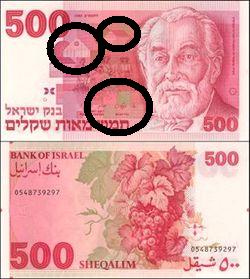
34. לא הבנתי את הרמז,מה מיוחד במקומות המוקפים בעיגולים?
בתגובה להודעה מספר 31
| |
אולי תעזור לקוראים שלא מבינים את הרמזים שלך, ואני ביניהם.
מה כן הבנתי: השלושה עיגולים הם אלפים, כלומר 500 אלף, הסכום לשיפוץ.
האיש המופיע על השטר הוא אדמונד רוטשילד, שעל שמו הקרן לשיפוץ וכנראה קשור ל"בונים החופשיים", כי רבים ממשפחת רוטשילד היו "בונים".מה שאני משער הוא שהעיגולים שהקפת מקיפים סמלים של ה"בונים החופשיים" בשטר, אבל אני לא כל כך מכיר את הסמלים שלהם (חוץ מהעין, והמחוגה), ולא מזהה את הסמלים.
אפשר לקבל ביאור, מה מיוחד במקומות המוקפים בעיגולים?
|
| |
תגובה עם ציטוט | תגובה מהירה (ניהול: מחק תגובה) |
מכתב זה והנלווה אליו, על אחריות ועל דעת הכותב בלבד
| |
|
|
|
|
|
|
tec
חבר מתאריך 11.10.07
30921 הודעות | יום חמישי י''ח באב תשס''ז
13:06 02.08.07 |
|
|
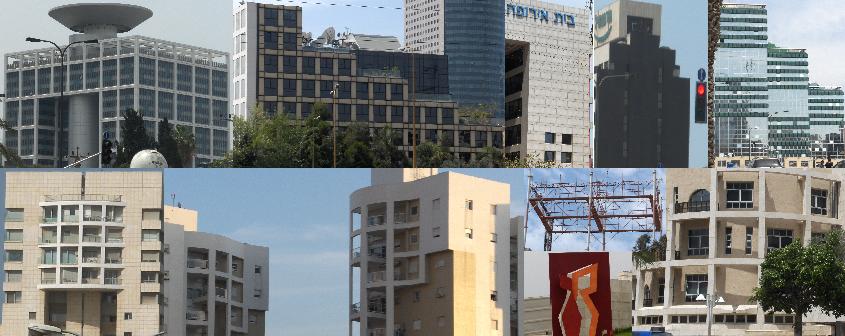
30. האם התמונה שהבאת היא מהלשכה בכנסת?
בתגובה להודעה מספר 0
| |
כי עד כמה שידוע הלשכה הגדולה (הארצית) היא בת"א .
התמונה בסמיכות לסעיף 2, שבו טענת שיש לשכה סודית בכנסת, לכן לא ברור לי אם לכך התכוונת- שהיא מהלשכה בכנסת
אם התמונה אינה מהלשכה בכנסת, האם אפשר להביא הוכחות ותמונות מהלשכה בכנסת, האם היא נמצאת במקום ציבורי או פרטי סודי ללא גישה לציבור, האם יש שם סמלים וסממנים מיוחדים של ה"בונים החופשיים", או שלט דומה המציין במפורש שזאת לשכה של הבונים? אני מניח שלא מדובר בכל חברי הכנסת, ומצד שני לא ניתן להסתיר את המשתתפים בפגישות הלשכה כי הכנסת היא מקום ציבורי, לא?
אם כך אמור להיות ידוע (לפחות לקציני הביטחון) מי הבונים המשתתפים בפגישות בלשכה בכנסת, אם כך מי הם? תזרוק כמה עצמות שאתה יכול 
|
| |
תגובה עם ציטוט | תגובה מהירה (ניהול: מחק תגובה) |
מכתב זה והנלווה אליו, על אחריות ועל דעת הכותב בלבד
| |
|
|
|
|
|
פילוביץ שחף
חבר מתאריך 9.2.02
98335 הודעות | שבת קודש ג' בתשרי תשע''א
20:37 11.09.10 |
|
|
47. ניתוח מבנה בית המשפט העליון - דברים שאתם חייבים לדעת
בתגובה להודעה מספר 0
|
israely
חבר מתאריך 28.5.08
12185 הודעות, 101 מדרגים, 187 נקודות. ראה משוב שבת קודש ג' בתשרי תשע''א 19:23 11.09.10
ניתוח מבנה בית המשפט העליון - דברים שאתם חייבים לדעת
זו כתבה שמישהו שלח לי במייל, לא יודע אם זה נכון או שלא
אבל אם זה באמת נכון הרי שזה בבחינת מידע שלא ידוע לציבור היהודי במדינה
ולדעתי אחד שצריך לפרסם ולידע בו את כולם.אני מציג לכם כאן את הפתיח של הכתבה ואת הקישור אליה,
מי שרוצה לדעת מה דחפו לנו לכאורה (על פי הכתבה) נאורי השמאל
מתחת לאפינו ובלי לידע את הציבור מאד כדאי לו להיכנס לכתבה עצמה
שהיא מפורטת, עם תמונות והסברים ומרשימה. להלן הפתיח: בית המשפט העליון של ישראל הוא פרי יצירתה של משפחת עילית אחת: משפחת רוטשליד. במשא ומתן עם מדינת ישראל הם הסכימו לתרום את הבניין בשלושה תנאים: משפחת רוטשילד תבחר את חלקת האדמה, הם ישתמשו בארכיטקטים משלהם ואף אחד לעולם לא ידע את מחיר עלות הבנייה. בכתבה זאת נבחן את הסמלים המכסים את הבניין בלקסיקון של מיסטריות הנושאים הבנה ופרשנות אזוטרית השמורה לעלית\מובחרים. הכתבה הבאה היא תרגום של כתבה מתוך האתר של Vigilent Citizen לאחר שערכנו והוספנו תוספות משלנו. לכתבה המלאה:
http://conspil.com/2010/09/03/suprolism/ 
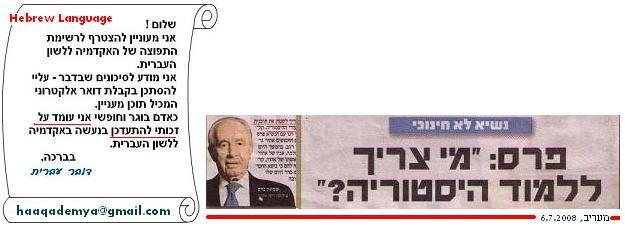
פרס: ''ההסטוריה לא חשובה, מה שחשוב זה העתיד''...למה?!
https://rotter.net/cgi-bin/forum/dcboard.cgi?az=show_thread&forum=gil&om=6137&omm=69&viewmode=
מי מפחד מ''תולעת יעקב ודוֹד ישמעאל''?
https://rotter.net/cgi-bin/forum/dcboard.cgi?az=show_thread&om=6179&forum=gil&omm=0
|
| |
תגובה עם ציטוט | תגובה מהירה (ניהול: מחק תגובה) |
מכתב זה והנלווה אליו, על אחריות ועל דעת הכותב בלבד
| |
|
|

















 גירסת הדפסה